Most contractors know content would help their business. They also know they're on job sites from 7 a.m., quoting in the evenings and doing paperwork on weekends. Sitting down to write a blog post is never going to be the priority, and that's fine.
The good news is that you already create the raw material for great content every single day. The trick is capturing it with almost no extra effort, then letting someone else turn it into posts, pages and updates.
The core idea: capture, don't create
You don't need to write. You need to capture three things as you work:
- Photos and short videos of your jobs.
- Voice notes about what you found and what you did.
- Customer questions, in the words customers use.
Those three things, captured consistently, are enough to fuel a blog, your Google Business Profile, social media and your website for a year.

1. Photos and videos: make it a habit
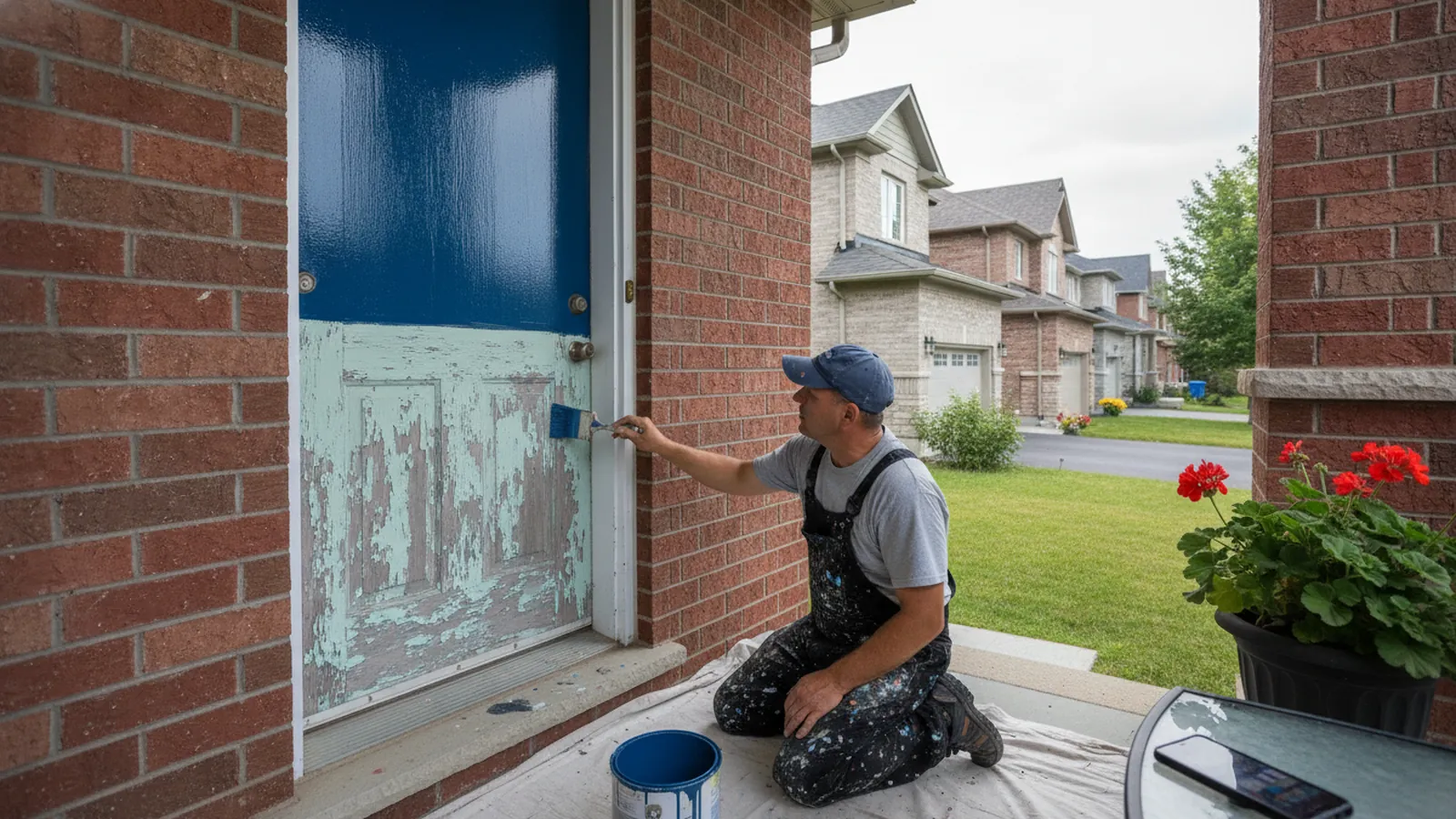
Take before, during and after photos on every job. It takes seconds and builds a library of real work that no competitor can copy.
A few tips that make them far more useful:
- Shoot the same angle before and after so the difference is obvious.
- Capture interesting problems: the corroded pipe, the scorched wire, the rotted decking.
- Get a quick shot of your team and truck on site.
- Ask the homeowner's permission, and avoid house numbers, faces and anything personal.
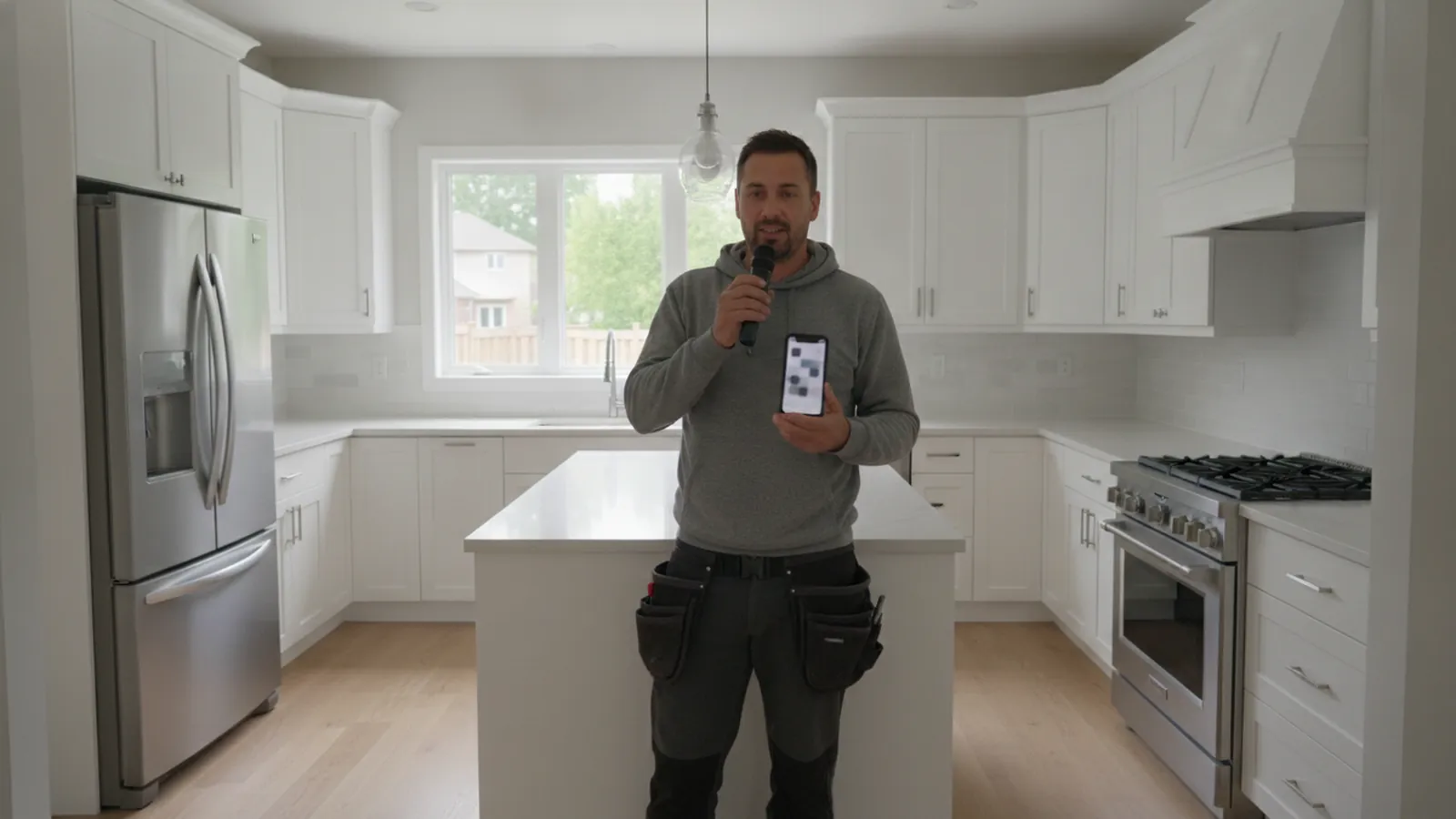
A 30-second video explaining what you found is even better. Talk to the camera like you're explaining it to the homeowner.
2. Voice notes: talk instead of type
Driving between jobs is perfect for this. Record a two-minute voice note answering a few questions:
- What was the problem?
- What caused it?
- How did you fix it, and why that way?
- What should other homeowners know or watch for?
That voice note, plus a few photos, is a complete blog post once it's written up. You've provided the expertise. Someone else just handles the writing.
3. Customer questions: keep a running list
Keep a note on your phone and add every question you hear more than once. 'How long will it take?' 'Do I need to be home?' 'Is this covered by insurance?' 'Should I repair or replace?' Each one is a blog post, a FAQ answer on a service page, or a short social video.
Turning raw material into content
Once you're capturing consistently, one job can feed several pieces of content:
- A blog post: 'What we found replacing a sump pump in a Woodbridge basement.'
- A Google Business Profile update with the before-and-after photos.
- Photos added to the relevant service page on your website.
- A short social video explaining the problem.
- A FAQ answer based on the homeowner's question.
- A review request to the happy customer, which brings in fresh, specific reviews.
This is how busy businesses publish consistently without spending their evenings writing.
A simple weekly rhythm
- On the job: take photos, record a voice note on the drive home, add new questions to your list. A few minutes a day.
- Once a week: send that week's best photos, notes and questions to whoever turns them into content. Ten minutes.
- Once a month: review what went out, approve anything that needs your sign-off, and note any seasonal topics coming up. Fifteen minutes.

Who turns it into content?
You have a few options:
- Someone in your office who writes well and knows the business.
- AI tools to turn voice notes into drafts, with a person editing for accuracy and voice. See can AI-written content rank on Google.
- A marketing partner who takes your raw material and handles writing, publishing and optimization.
Whichever you choose, the key is that the expertise comes from you. That's what makes the content trustworthy and different from everyone else's.
Plan around the seasons
Contracting is seasonal, and your content should be too. Plan topics a month ahead: furnace and heating content in September and October, AC and heat pumps in April and May, roofing and storm prep before the stormy seasons, frozen pipe prevention before the first deep freeze. Being early means your content is ready when people start searching.
One job, a month of content: an example
Here's how a single basement waterproofing job in Scarborough could feed a month of content with almost no writing from the owner.
On site, the crew takes before photos of the cracked foundation wall and water staining, progress shots of the excavation and membrane, and after photos of the finished, dry basement. On the drive back, the owner records a three-minute voice note explaining what caused the leak, why they chose exterior waterproofing over an interior system, and what the homeowner should watch for.
That raw material becomes:
- Week 1: a blog post, 'Interior vs exterior basement waterproofing: what we chose for a Scarborough home and why'.
- Week 1: a Google Business Profile update with the before-and-after photos.
- Week 2: a short social video of the owner explaining the cracked wall.
- Week 2: photos added to the waterproofing service page.
- Week 3: a FAQ entry: 'How do I know if my basement needs waterproofing?'
- Week 4: the job featured in the monthly newsletter, plus a review request to the homeowner.
Total extra time for the owner: about ten minutes.
Mistakes to avoid
- Waiting for perfect. Phone photos and casual voice notes are fine. Consistency beats polish.
- Posting customers' homes without permission. Always ask, and avoid house numbers, faces and personal items.
- Generic content. If a post could be about any company anywhere, it's not using your real experience.
- Letting content pile up unused. Photos sitting on your phone don't help anyone. Set the weekly ten-minute habit.
Common questions
Do I need professional photos?
Not for most content. Clear, well-lit phone photos of real work are more convincing than polished stock images. Consider a professional shoot once a year for your team photo and homepage.
What if I don't like being on camera?
You don't have to be. Photos with short captions, voice notes turned into posts, and videos that show the work rather than your face all work well.
How do I keep track of all of it?
A shared folder for photos, a notes app for questions and a simple monthly calendar are enough for most small businesses.
The bottom line
You don't need to become a writer to have great content. Capture photos, voice notes and customer questions as you work, spend ten minutes a week passing them along, and let someone else turn them into posts and updates. Your experience is the valuable part, and you're already creating it every day.
Content creation is included in our Growth and Authority plans, and available on its own by quote. We turn your photos and notes into blog posts, page updates and email campaigns to past customers. Read how often a contractor should blog, or book a call.